Quick answer: Brands should start advent calendar packaging early because custom packaging requires multiple development stages before mass production, including structure design, insert testing, artwork approval, sampling, printing confirmation, quality control, and export planning. Starting early gives buyers more time to compare rigid boxes, drawer boxes, door-opening boxes, and folding cartons, optimize product fit, confirm materials, reduce production risks, and prepare seasonal inventory. For brands selling cosmetics, chocolate, candles, jewelry, toys, tea, coffee, beverages, and gifts, early packaging planning helps avoid rushed decisions that can increase costs or delay delivery.
For B2B buyers, advent calendar packaging is not only a printed box purchase. It is a complete packaging engineering project involving product protection, customer experience, manufacturing feasibility, and international logistics. Brands that plan early have more opportunities to refine the final packaging solution and select a reliable supplier.
Why should brands start advent calendar packaging early?
Brands should start advent calendar packaging early because custom advent calendar boxes require coordination between design, production, and supply chain teams. Unlike standard cartons, seasonal packaging often includes multiple compartments, special opening mechanisms, custom inserts, decorative finishing, and strict launch dates.
A typical custom advent calendar box project may include:
- Product size and weight evaluation
- Structure selection between rigid box, drawer box, door-opening box, or folding carton
- Dieline development and artwork adjustment
- Insert design and fit testing
- Sample production and approval
- Bulk manufacturing and quality inspection
- Export carton packing and shipment preparation
When buyers delay the process, they often lose flexibility. Production schedules become tighter, sample corrections become harder to manage, and packaging suppliers may have less capacity during peak seasonal periods.
Which product categories benefit most from early advent calendar packaging planning?
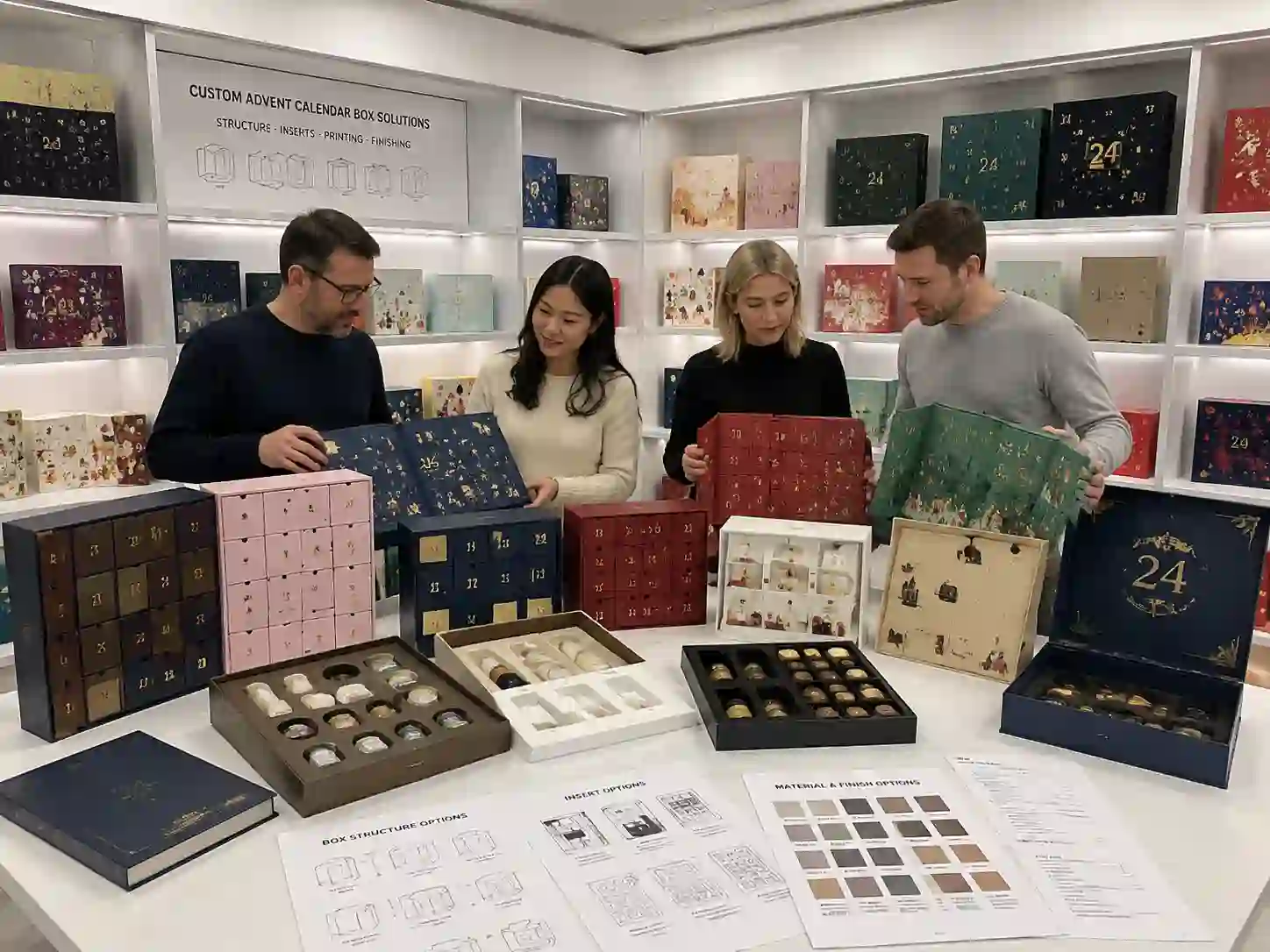
Product categories with different shapes, materials, and protection requirements benefit from early packaging development because the packaging structure must match the product inside.
| Product Category | Common Packaging Challenge | Recommended Planning Focus |
|---|---|---|
| Cosmetics and skincare | Multiple bottle, tube, and jar sizes | Insert layout, PET tray, EVA insert, premium finishing |
| Chocolate and confectionery | Product protection and food-contact considerations | Compartment accuracy, paper insert, material verification |
| Candles and fragrance products | Weight distribution and heat-sensitive products | Strong structure, protective inserts, box strength testing |
| Jewelry and accessories | Small valuable products requiring presentation | Foam inserts, velvet-style presentation options, secure fitting |
| Toys and collectibles | Different shapes and sizes | Custom cavities, durable compartments, easy access design |
| Tea, coffee, and beverages | Multiple packets or sample formats | Drawer structure, compartment spacing, export protection |
| Corporate and promotional gifts | Mixed product combinations | Flexible inserts and premium brand presentation |
For example, a cosmetic advent calendar may require PET trays or EVA inserts to hold bottles upright, while a chocolate project may prioritize compartment accuracy and protective paper structures. The earlier buyers define the product range, the easier it is to select the correct packaging design.
How early should buyers begin custom advent calendar box development?
Most brands should begin planning several months before the required delivery date. The exact timeline depends on packaging complexity, order quantity, finishing requirements, and approval speed.
What is a practical development timeline?
| Project Stage | Main Buyer Actions | Why Timing Matters |
|---|---|---|
| Initial planning | Define product range, quantity, target market, and packaging style | Allows suppliers to recommend suitable structures |
| Engineering and quotation | Review materials, dimensions, inserts, MOQ, and cost factors | Prevents unrealistic specifications |
| Prototype and sample | Check dieline, fit, artwork, and finishing | Creates time for corrections before production |
| Mass production | Approve final sample and begin manufacturing | Reduces production interruptions |
| Export preparation | Confirm cartons, shipping marks, and logistics details | Supports smoother international delivery |
Buyer tip: Seasonal packaging should be treated as a product launch project rather than a last-minute packaging order. Early decisions create more opportunities to improve quality and control costs.
How should buyers compare advent calendar packaging options?
Buyers should compare packaging options based on product protection, customer experience, production feasibility, and budget instead of choosing only by appearance.
| Structure Type | Advantages | Best Applications |
|---|---|---|
| Rigid box | Premium appearance, strong structure, luxury positioning | Cosmetics, jewelry, corporate gifts |
| Drawer box | Interactive opening experience and organized compartments | Tea, coffee, beauty products, gifts |
| Door-opening box | Classic advent format with visible numbered sections | Chocolate, toys, promotional products |
| Folding carton | Lower material usage and efficient shipping | Large volume retail programs |
The right structure depends on product weight, opening method, shelf presentation, shipping requirements, and expected retail positioning.
What packaging details should buyers confirm before requesting a quotation?
Buyers should prepare technical information before sending an RFQ because quotation accuracy depends on packaging specifications.
- Product category and product dimensions
- Number of compartments required
- Preferred structure: rigid box, drawer box, door-opening box, or folding carton
- Insert requirement: paper insert, PET tray, EVA insert, foam, or molded pulp
- Printing requirements: CMYK, Pantone, foil stamping, embossing, spot UV, matte lamination, or gloss lamination
- Estimated order quantity and target delivery date
- Shipping destination and export carton requirements
These details help suppliers evaluate material selection, production steps, MOQ, lead time, and quotation options more accurately.
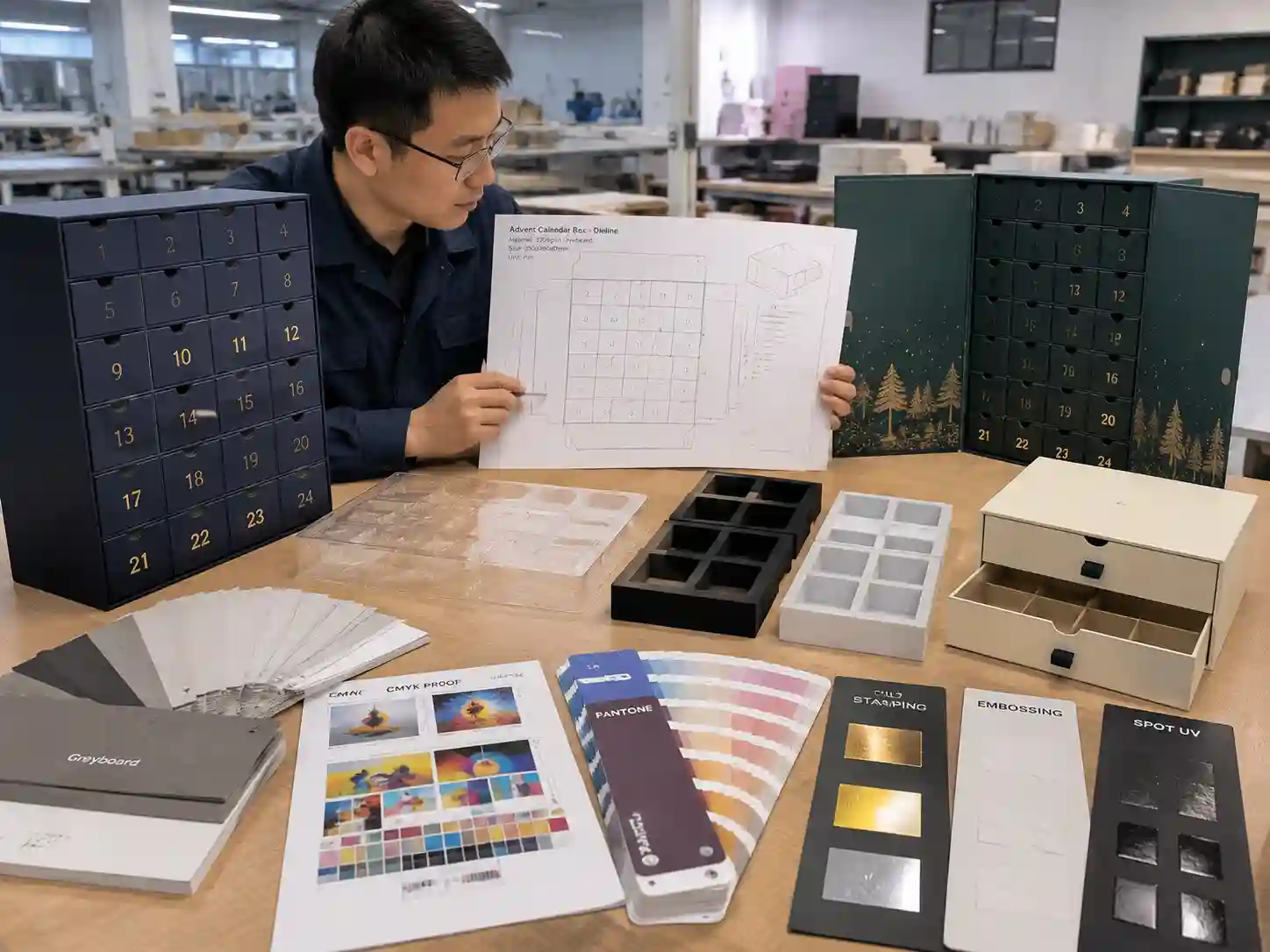
Why are sampling and prototype approval important for early packaging projects?
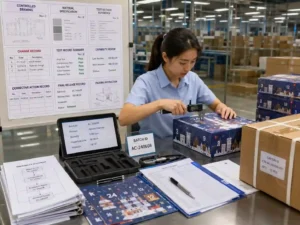
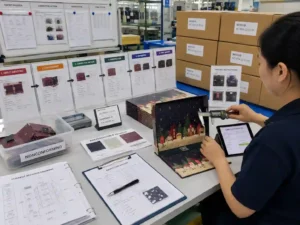
Sampling allows buyers to verify packaging performance before committing to mass production. A prototype or pre-production sample can reveal problems that are difficult to identify from drawings or digital artwork alone.
During sampling, buyers should check:
- Box dimensions and product fitting
- Drawer movement and door-opening function
- Insert alignment and product protection
- Artwork placement on panels
- Color appearance compared with approved references
- Finishing quality including foil stamping, embossing, and spot UV details
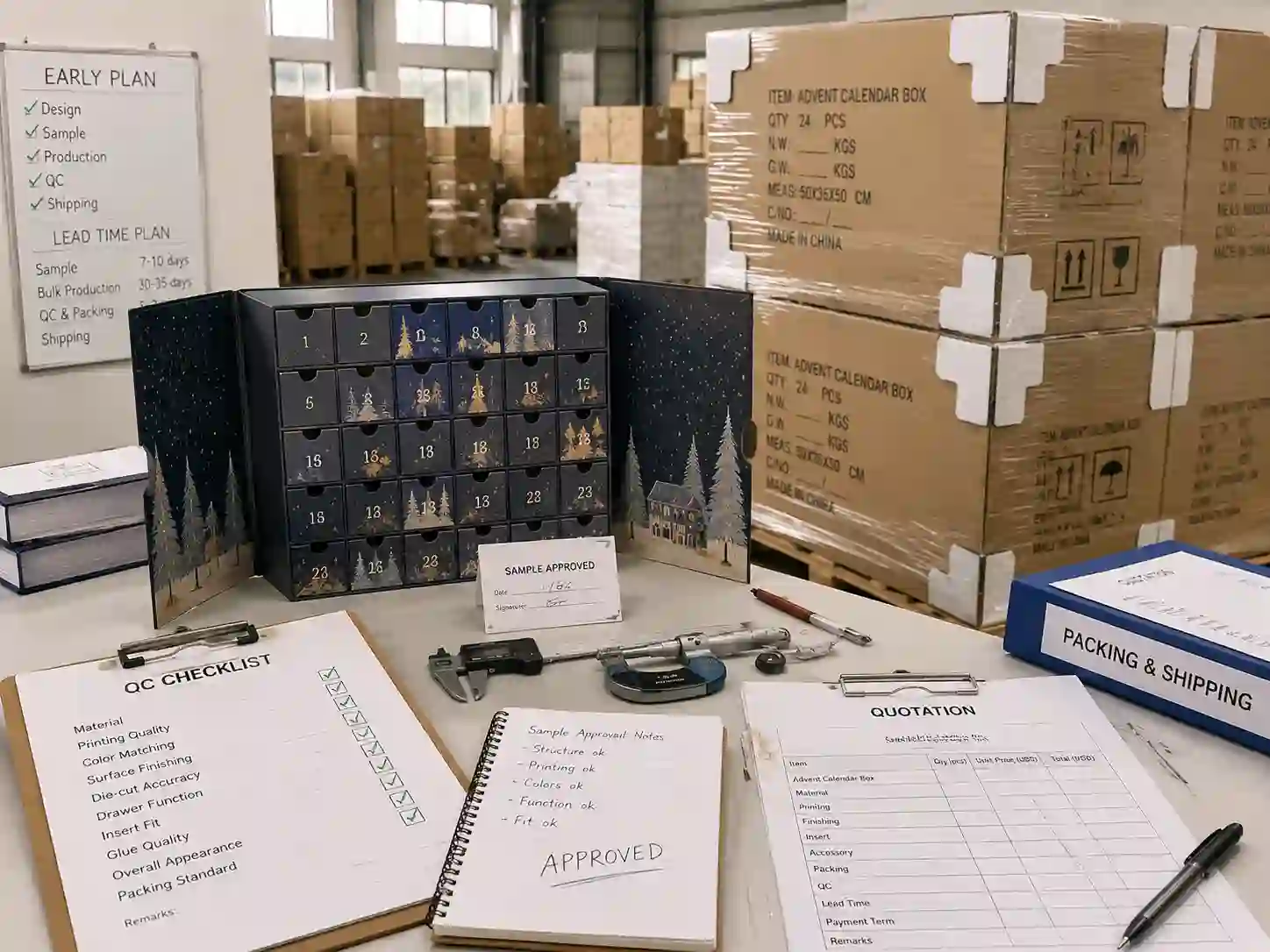
Factory tip: A signed sample approval before mass production creates a clear reference for production teams and QC inspectors. It reduces disagreements about structure, printing, and finishing expectations.
How do materials and printing decisions affect early planning?
Material and printing choices influence production time, appearance, durability, and cost. Buyers should confirm these decisions before bulk manufacturing begins.
Common material considerations include:
- Greyboard: commonly used for rigid box strength and premium structures.
- Paperboard: suitable for folding cartons and lighter packaging applications.
- PET trays: useful for organized product positioning.
- EVA and foam: suitable for products requiring cushioning or premium presentation.
- Molded pulp: an option when buyers need structured protection using fiber-based materials.
Printing and finishing decisions should also be reviewed early. CMYK and Pantone color requirements may require proofing, while special finishes such as foil stamping, embossing, and spot UV require production testing.
Buyers can also review responsible material sourcing information through official resources such as FSC certification information when evaluating paper-based packaging options.
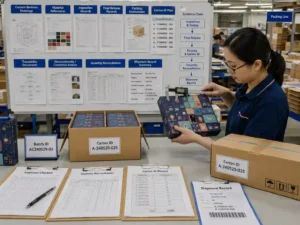
What quality control checks matter before shipment?
Quality control should cover structure, appearance, function, and export readiness. Early planning gives buyers enough time to establish inspection requirements before shipment.
- Check approved sample against mass production output
- Verify dimensions and assembly tolerance
- Inspect printing consistency and finishing details
- Test inserts for product stability
- Check drawer movement and door alignment
- Review carton strength and export packing methods
- Confirm shipping marks and pallet information
QC tip: Buyers should define acceptance criteria before production starts. Clear inspection standards make communication between purchasing teams and factories more efficient.
How does early planning improve export packing and shipping?
Starting early helps brands prepare export packing solutions that reduce shipping risks. Advent calendar boxes often include complex structures that require careful protection during international transportation.
Export planning may include:
- Choosing suitable export cartons
- Adding corner protectors or internal dividers
- Reducing empty space inside cartons
- Confirming pallet stacking methods
- Preparing shipping marks and carton labels
For international logistics testing guidance, buyers can review official packaging transport resources from ISTA when discussing shipping protection requirements.
What common mistakes should buyers avoid when ordering advent calendar packaging?
The most common mistakes happen when buyers focus only on appearance and overlook manufacturing details.
- Starting too late: Limited time reduces opportunities for sample corrections.
- Choosing structure without product testing: The box may look attractive but fail product-fit requirements.
- Ignoring insert engineering: Poor inserts can create movement, damage, or presentation problems.
- Approving artwork without checking dielines: Printed panels may not align after folding and assembly.
- Requesting quotations without specifications: Suppliers cannot accurately evaluate costs without product and packaging details.
- Skipping production references: Without an approved sample, quality expectations may differ.
How should brands select a reliable advent calendar packaging supplier?
Brands should evaluate suppliers based on engineering capability, communication quality, sampling process, production control, and export experience.
A reliable supplier should be able to support:
- Structure recommendations
- Dieline review
- Material selection
- Insert development
- Artwork and printing confirmation
- Sample approval process
- Bulk production QC
- Export packing preparation
Giftpackpro supports B2B buyers with custom advent calendar boxes manufacturer solutions and provides different custom advent calendar box products for seasonal packaging projects. Buyers can review available custom advent calendar box services and learn more about the Giftpackpro packaging factory before starting a project.
Buyer checklist: what to prepare before requesting a sample or quotation
- Product category and product size information
- Target packaging structure
- Number and arrangement of compartments
- Insert material preference
- Artwork files or design concepts
- Printing and finishing requirements
- Estimated quantity and delivery schedule
- Shipping destination
- Quality expectations and inspection requirements
Before contacting a supplier, buyers can also review more advent calendar box buying guides to understand common packaging decisions.
FAQ: Starting advent calendar packaging early
How early should brands start advent calendar packaging development?
Brands should begin planning early enough to complete structure confirmation, sampling, artwork approval, production, and export preparation before the seasonal launch deadline.
Does early planning reduce packaging costs?
Early planning can improve cost control because buyers have more time to compare materials, structures, quantities, and production options before final decisions.
Why is a sample important before mass production?
A sample verifies structure, product fit, printing, finishing, and assembly performance before larger production quantities are manufactured.
What information affects advent calendar box quotation?
Quotation depends on factors including box structure, dimensions, materials, inserts, printing, finishing, MOQ, production requirements, and shipping details.
Start advent calendar packaging early with a structured B2B approach
Brands that start advent calendar packaging early have more control over design quality, production timing, and supplier communication. A successful project requires more than selecting a box style; it requires coordinated decisions about structure, inserts, artwork, sampling, QC, and export packing.
When preparing your next seasonal packaging project, organize your product information, design requirements, quantity estimate, and delivery timeline before requesting a quotation. You can request a custom quote from Giftpackpro to discuss packaging options, samples, and production planning.